
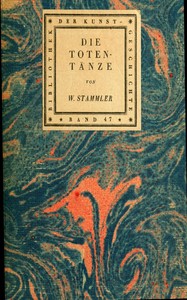
Die Totentänze by Wolfgang Stammler
Wolfgang Stammler's Die Totentänze is a journey into the medieval mind, using one of its most powerful and persistent images as a guide. Forget dusty textbooks; this is a cultural investigation that reads like a quest.
The Story
There isn't a traditional plot with characters, but there is a clear narrative drive: the hunt for the origins and meaning of the 'Dance of Death'. Stammler starts by showing us how this motif was everywhere in the 15th century—in churches, in books, in public performances. Skeletons, often cheerful or mocking, drag people from every walk of life into their dance. The book then follows the trail. Stammler looks at the sermons that might have inspired it, the plague that made death a constant neighbor, and the social upheavals that had people questioning the established order. He pieces together how the idea traveled from France to Germany, changing shape in each new town and artist's hands. The 'story' is the evolution of an idea, from a frightening sermon illustration to a complex cultural mirror.
Why You Should Read It
What grabbed me was how Stammler makes the past feel immediate. He doesn't just describe a woodcut; he makes you feel the shock it might have caused. You start to see the Dance of Death not as just a morbid decoration, but as a radical, even subversive, piece of social commentary. In a world of strict hierarchy, it declared that death was the great leveler—the skeleton takes the emperor's hand just as readily as the beggar's. It’s fascinating to see how art became a way for people to process collective trauma and anxiety. Stammler connects the dots between history, art, and human emotion in a way that’s surprisingly gripping.
Final Verdict
This book is perfect for anyone with a curiosity about how societies deal with big, scary ideas. If you're into art history, medieval studies, or just love a good intellectual puzzle, you'll find a lot here. It's also great for writers or creators looking for a deep dive into a potent symbol. Fair warning: it's a scholarly work, so it demands your attention, but the payoff is a completely new lens on a familiar image. You'll never look at a medieval skeleton the same way again.
This masterpiece is free from copyright limitations. You can copy, modify, and distribute it freely.
Kimberly Martin
2 years agoI took detailed notes while reading through the chapters and the nuanced approach to the central theme was better than I expected. I'll be citing this in my upcoming project.
Michael Harris
5 months agoHaving explored several resources on this, I find that the critical analysis of current industry standards is very timely. A refreshing and intellectually stimulating read.
Elizabeth Martinez
1 year agoBeautifully written.
Elijah Flores
3 months agoFast paced, good book.

Sarah Thomas
6 months agoAs a long-time follower of this subject matter, the concise summaries at the end of each section are a lifesaver. If you want to master this topic, start right here.