
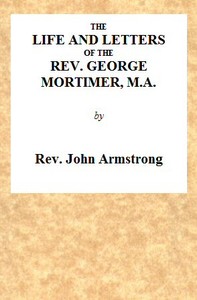
The Life and Letters of the Rev. George Mortimer, M.A. by John Armstrong
Let's be honest: a biography of a 19th-century clergyman doesn't sound like a page-turner. But John Armstrong's collection of George Mortimer's life and letters surprised me. It's less a formal biography and more an invitation to peek over Mortimer's shoulder as he writes to friends, family, and colleagues.
The Story
The book follows George Mortimer from his early days as a curate through his long tenure as Rector of Thornhill in rural England. There's no single, dramatic plot. Instead, the story is built from hundreds of small moments captured in his letters. We see him setting up schools for poor children, visiting the sick during cholera outbreaks, and constantly repairing his damp, old parsonage. We read his thoughts on theological debates of the day and his very practical worries about parish finances. The narrative is the quiet accumulation of a life spent in dedicated, often unglamorous, service.
Why You Should Read It
I found myself drawn in by Mortimer's voice. He's thoughtful, compassionate, and often funny in a dry way. Reading his letters feels authentic. You get his frustrations with bureaucracy, his deep affection for his family, and his moments of weariness. This isn't a saint on a pedestal; it's a hardworking man. The book shines a light on what real religious and community life was like for most people—grounded in daily acts of care, not grand pronouncements. It made me think about how we measure a meaningful life. Is it in big achievements, or in the small, consistent ways we show up for others?
Final Verdict
This book is a specific kind of treasure. It's perfect for readers who love social history, character studies, or diaries and letters from the past. If you enjoyed books like Victorian London by Liza Picard or the personal glimpses in any good Austen-era social history, you'll appreciate this. It's not for someone seeking a fast-paced narrative. But if you're willing to settle into the gentle rhythm of another person's life and times, you'll find a portrait of integrity and quiet perseverance that feels remarkably relevant. Think of it as a long, thoughtful conversation with a wise, kind-hearted man from the past.
This publication is available for unrestricted use. Share knowledge freely with the world.
Liam Miller
2 months agoHonestly, the atmosphere created is totally immersive. Worth every second.
Thomas Thomas
1 year agoComprehensive and well-researched.
Kimberly Wilson
1 year agoGreat read!
Robert Lee
2 years agoAmazing book.





Carol Taylor
1 year agoThanks for the recommendation.